






Exploring Casinos Without a UK License: What You Need to Know
57 Views
Discover everything about casinos without a UK license, including safety tips, advantages, and risks.
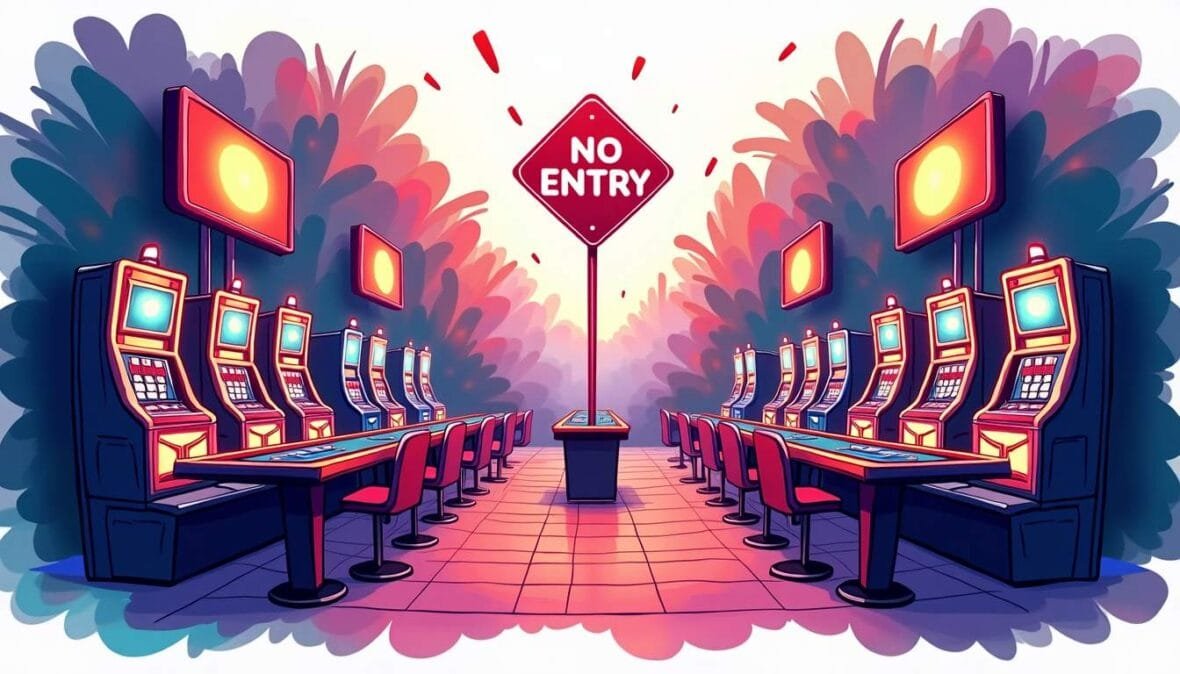
Online gambling in the UK is a booming industry, with millions of adults enjoying everything from slots to sports betting. But as the market grows, so does the presence of casinos operating without a UK Gambling Commission (UKGC) license. These unlicensed platforms can seem tempting—offering flashy bonuses or games you won’t find elsewhere—but they come with risks that every player should understand. In fact, recent data shows that over 1,000 British gamblers are opening accounts on unregulated sites each month, highlighting just how popular these “wild west” casinos have become (prnewswire.com).
This article dives into what it means to play at casinos without a UKGC license, the potential dangers involved, and how the UKGC is stepping up efforts to protect players. Whether you’re curious about the risks or just want to stay informed, buckle up—there’s a lot to unpack in the world of unlicensed online gambling.
When a casino doesn’t have a UKGC license, it means it’s not regulated by the UK’s official gambling authority. The UKGC license is a stamp of approval that ensures the operator meets strict standards for fairness, security, and responsible gambling. Without it, there’s no guarantee that the games are fair, your money is safe, or that you’ll get help if things go wrong.
Unlicensed casinos often operate offshore or in jurisdictions with looser regulations. While some may offer exciting games or bigger bonuses, they also tend to lack the consumer protections that licensed sites provide. This can lead to issues like delayed or refused withdrawals, unfair game outcomes, or even data security breaches.
Given that the UK Gambling Commission’s 2023-2024 Annual Report highlighted that 23.6 million adults in Great Britain gambled in the past year (gamblingcommission.gov.uk), it’s no surprise that some players are tempted to explore unlicensed options. But it’s important to weigh the thrills against the risks.
Moreover, the allure of unlicensed casinos often comes from their aggressive marketing strategies, which promise enticing bonuses and promotions that can be hard to resist. However, players should be cautious, as these offers may come with hidden terms and conditions that could complicate the withdrawal process or impose unrealistic wagering requirements. Additionally, the lack of oversight means that if a dispute arises, players have little recourse to resolve their issues, leaving them vulnerable to potential scams.
The absence of a regulatory body also means that unlicensed casinos are not obligated to implement responsible gambling measures. This raises concerns about addiction and the potential for players to lose control over their gambling habits. Licensed casinos typically provide tools for self-exclusion, deposit limits, and access to support services, which are crucial for promoting safer gambling practices. In contrast, unlicensed operators may prioritize profit over player welfare, making it essential for players to remain vigilant and informed about where they choose to gamble.
The rise of unlicensed online casinos is a fascinating trend. Despite the risks, these platforms have doubled their user base recently, with reports showing over 1,000 new British gamblers signing up every month (prnewswire.com).
Several factors contribute to this growth. For one, unlicensed casinos often offer more generous bonuses and promotions than their regulated counterparts. They might also provide access to games that UKGC-licensed casinos can’t offer due to regulatory restrictions. For thrill-seekers and bonus hunters, this can be a big draw.
However, the UK Gambling Commission has noted a significant shift in promotional strategies within the licensed market, including a 95% reduction in VIP schemes since 2020 (sigma.world). This tightening of incentives may inadvertently push some players toward unlicensed sites where such restrictions don’t apply.
The UK Gambling Commission isn’t sitting idly by while unlicensed casinos gain ground. In January 2025, the UKGC ramped up its regulatory actions by targeting software providers that supply games to these unauthorized platforms (casino.guru).

This approach is clever because it hits the unlicensed casinos where it hurts: their game supply. Without reputable software providers, these platforms struggle to offer the quality and variety of games that attract players. By pressuring providers to cut ties with unlicensed operators, the UKGC aims to reduce the appeal and accessibility of these risky sites.
Additionally, the UKGC has been encouraged to diversify its data collection methods to better understand the gambling landscape and improve enforcement. The Institute of Licensing has urged the commission to broaden its data sources, which could lead to more accurate statistics and targeted actions (online-casinos.com).
Playing at unlicensed casinos might seem like a shortcut to bigger wins or cooler games, but it’s a gamble in itself—one where the house usually has the upper hand. Here are some of the main risks to consider:
Given these risks, it’s no surprise that the UK Gambling Commission continues to emphasize the importance of playing only on licensed sites. Andrew Rhodes, the UKGC’s Chief Executive, has criticized the “unacceptable” misuse of gambling statistics that sometimes downplay these risks, underscoring the need for accurate information to protect players (sbcnews.co.uk).
While unlicensed casinos pose clear risks, it’s worth noting that problem gambling rates in the UK remain relatively low. The UKGC’s 2023 report estimates that only about 0.3% of adults are identified as problem gamblers, which translates to between 160,000 and 340,000 people (casinoreviews.net).
Moreover, the industry is showing signs of recovery and growth post-pandemic, with a 6.8% increase in Gross Gambling Yield in 2022, reaching £15.1 billion (casinowings.com). This suggests that despite the challenges, the regulated market remains robust and continues to attract players.
These trends highlight the importance of responsible gambling and choosing licensed operators who are committed to player protection. The decline in VIP schemes and tighter promotional controls within the licensed market are part of broader efforts to promote safer gambling environments.
Exploring unlicensed casinos might seem like a tempting adventure filled with bigger bonuses and exclusive games. However, the risks involved—from unfair play to potential financial loss—are significant. The UK Gambling Commission’s ongoing crackdown on unlicensed operators and software providers serves as a clear warning that these sites operate in a legal and regulatory gray area.
For the vast majority of players, sticking to UKGC-licensed casinos offers peace of mind, fair play, and access to support if things go sideways. The gambling world is exciting enough without adding unnecessary risks to the mix.
So, before you dive into the unregulated waters, remember: the house always wins, but it’s best to make sure it’s a fair game.

Discover everything about casinos without a UK license, including safety tips, advantages, and risks.

Discover the top casinos accepting UK players in 2025, with expert tips, safety insights, and…

Discover everything you need to know about exploring non-UK regulated casinos, including benefits, risks, and…